Somatic Yoga x Cupping for a regulated nervous system
Get out of the thought carousel and into feeling: The combination of Somatic Yoga and Cupping can help your nervous system develop more safety, pre...
Read more


Whether you're new to yoga or have been practicing for years, you're not alone in facing these physical and mental challenges.
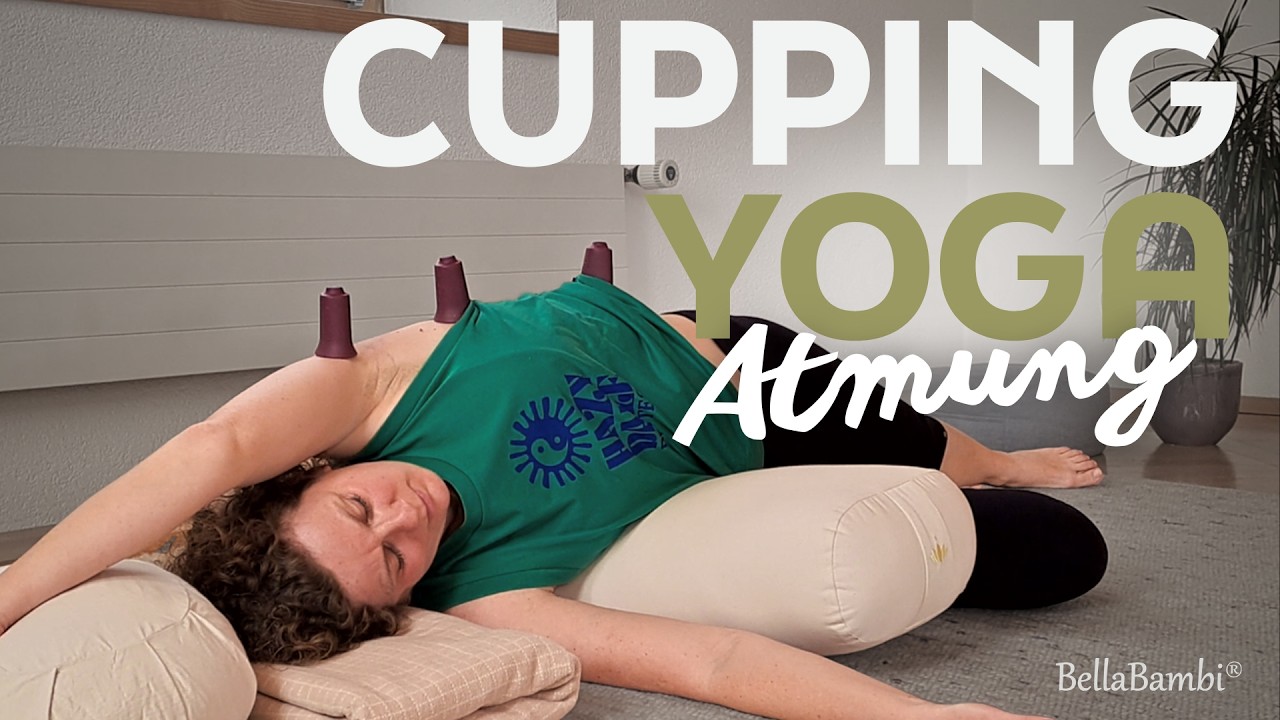
Breath is the bridge between your body and mind. Mobility in the chest affects how freely pranayama and heart-opening exercises flow.
Despite practicing consciously, the breath can remain shallow and the chest may feel tight—in intense asanas, it may even become restricted. The causes often include prolonged sitting in everyday life, stress-related upper-chest breathing, or tense structures in the thoracic area. Pressure can also arise mentally: the breath is “controlled” instead of experienced, accompanied by frustration or feeling overwhelmed by complex techniques. A strong focus on performance can further intensify this tightness. Only when control gives way and awareness takes center stage can spaciousness return.
Yoga begins when attention arrives in the body. Somatic awareness reduces mental wandering.
Many practitioners know that yoga is about presence, yet still find themselves drifting off into their thoughts during practice, planning their day in their heads, or comparing themselves with others in the room. Instead of being in the moment, inner pressure arises: “I should be more in the here and now.” Movements may become rather mechanical, while nuanced body awareness fades into the background. The nervous system can often remain in stress mode, which may manifest as restlessness during longer holds or difficulty truly settling into meditation.
Depth is created when tissue yields—not when we pull. Fascial mobility is an underrated key.
Despite stretching regularly, many people experience a period without noticeable progress. Instead of a smooth stretching sensation, they feel pulling or significant resistance in the tissue, often exacerbated by fascial restrictions, old scars or injuries, or unconscious compensatory patterns. Impatience and comparing themselves with others can further increase the tendency to confuse intensity with depth. If insufficient recovery time is also allowed, the body is more likely to respond with protective tension than with lasting release. Stretching can thus quickly become strenuous work at the limits of one’s own range rather than a process of mindful development.

Cupping in yoga can specifically deepen the breathing practice. It can release fascial restrictions in the rib cage and thereby increase thoracic mobility.
At the same time, Cupping can enhance awareness in the breathing space and promote somatic awareness, allowing breathing exercises to be experienced more consciously and intensely.

Cupping can apply intense local stimuli to the body, thereby increasing interoception. This heightened focus on the body can reduce mental distraction, directing attention more strongly toward the present moment. The conscious awareness of sensations can thus promote deeper presence and concentration in yoga practice.

Cupping supports yoga practice by potentially improving fascial mobility and promoting circulation in targeted areas. Local areas of tension can be released, helping the body become better prepared for deeper stretches. This allows you to move into asanas with greater awareness and ease, while gently stretching the muscles in a natural way.
Feel your fascia, promote mobility, deepen your presence: We have put together a set with suitable cups to help you bring new dimensions to your yoga practice!
Inspiring articles from our experts with practical tips for greater focus & flexibility.

These areas of the body must not be treated:
In these cases, you must consult a doctor before use:
Under these circumstances, you must not use BellaBambi®:
About Yoga and Cupping

Get out of the thought carousel and into feeling: The combination of Somatic Yoga and Cupping can help your nervous system develop more safety, pre...
Read more
Stretching in yoga does not just mean going deeper into a pose. The real change happens in the tissue. Fascia stores tension, loses elasticity with...
Read more
Breathing is reflected in the body and responds immediately to posture, tension, and internal states. When the chest tightens, breathing also loses...
Read more
Focus is the key to an effective yoga practice – but in everyday life, many find it difficult to truly connect with their own body. Cupping can hel...
Read more
Emotions accompany every yoga practice – even when they are not consciously in focus. They often appear as tension in the body and influence ...
Read more
A few years ago, fascia were hardly known – today they are among the most searched terms in the health sector. Google Trends show that ...
Read more
